Why the future belongs to editors who know when to automate—and when to take control
For years, video editing was a gated profession.
You needed expensive software, a powerful machine, technical training, and patience. Timelines were brutal. Color grading took years to master. Exports took forever. Editing wasn’t just a skill—it was a barrier to entry.
That barrier is gone.
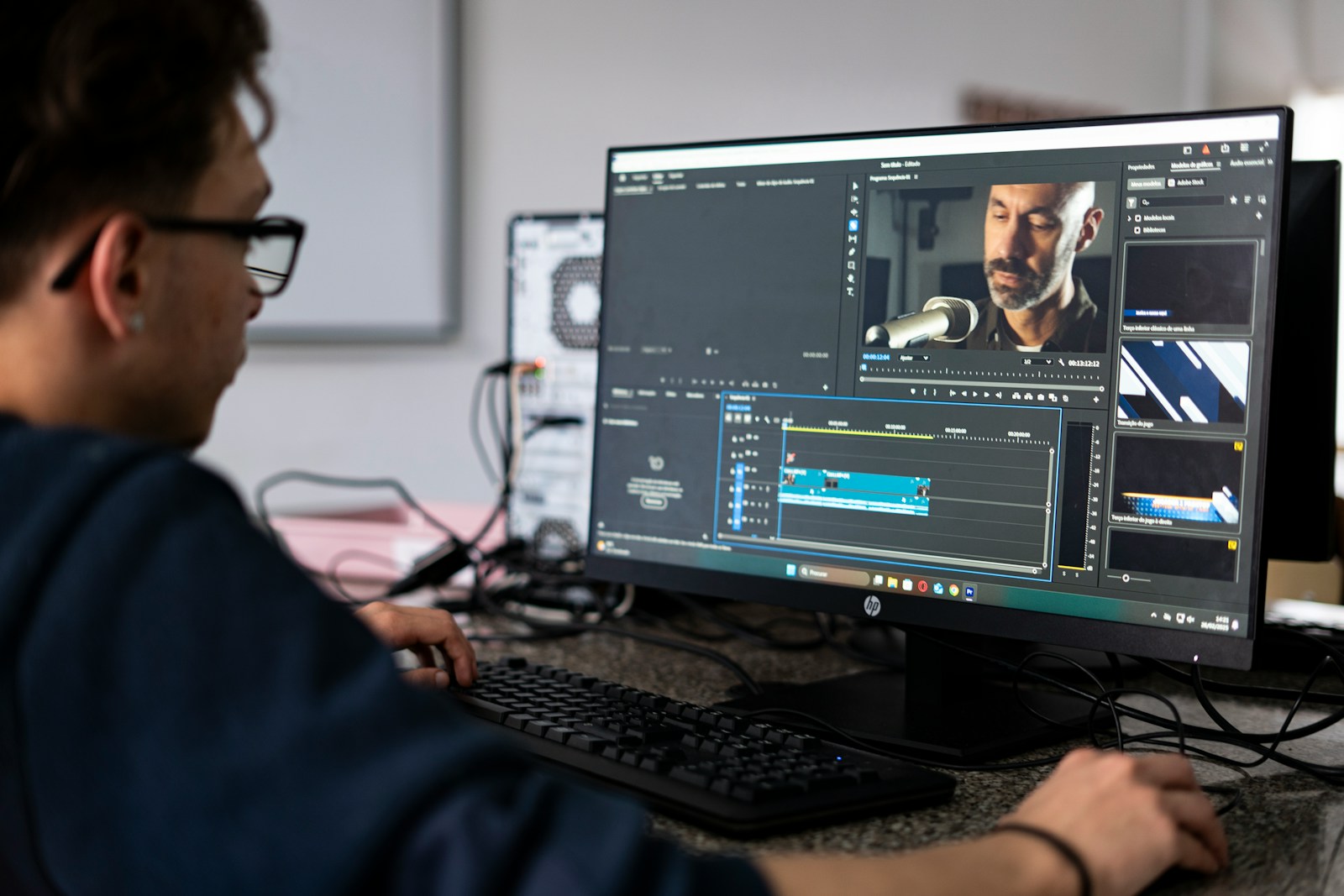
In 2026, AI-powered video editors can cut footage, remove silences, add captions, format clips for social platforms, and deliver finished videos in minutes. What used to take hours—or entire teams—can now be done by one person before lunch.
That shift raises an uncomfortable question for working editors:
If anyone can edit now, what does being “professional” actually mean?
From Craft to Supervision: How Editing Really Changed
AI didn’t replace editing.
It replaced manual labor inside editing.
Today’s AI editors analyze footage the moment it’s uploaded. They detect faces, scene changes, filler words, emotional tone, pacing, and audio quality. They automatically:
- Cut dead space
- Level audio
- Generate captions
- Choose highlights
- Optimize clips for TikTok, Reels, Shorts, and YouTube
In many cases, they don’t just follow instructions—they make editorial decisions based on what performs well on specific platforms.
For newer creators, editing has shifted from doing to approving.
For professionals, it’s something else entirely.
Speed Is the New Currency (Not Perfection)
The creator economy doesn’t reward perfection anymore.
It rewards:
- Consistency
- Frequency
- Platform-native formatting
- Fast turnaround
AI thrives in that environment.
Marketers, educators, podcasters, and businesses don’t need cinematic mastery—they need content now. AI editors make that possible, which is why they’re being adopted everywhere.
Traditional tools still offer deeper control, but that control comes at a cost:
- Time
- Skill
- Focus
- Hardware
This is the split happening in real time:
AI editors optimize delivery.
Professional editors create differentiation.
What AI Editors Are Great At (And Where They Break)
AI-powered editing excels when the format is predictable:
- Talking-head videos
- Podcasts
- Tutorials
- Social clips
- Repurposed long-form content
Jump cuts, subtitles, aspect ratios, and formatting are handled flawlessly.
Where AI struggles is where real editors earn their value:
- Storytelling nuance
- Emotional timing
- Experimental pacing
- Sound design
- Narrative rhythm
- Brand-specific visual identity
AI can assemble footage.
It cannot understand intent.
What Professional Editors Actually Think
Among working editors, AI has sparked mixed reactions—and for good reason.
On one hand, automation threatens entry-level work that once paid the bills. On the other, it removes the most soul-crushing parts of the job.
Many studios already use AI as an assistant:
- Rough cuts generated automatically
- Transcripts created instantly
- Clips tagged by topic and emotion
Then human editors step in to shape the story, elevate the message, and make it unmistakably human.
The editors who win aren’t fighting AI.
They’re deploying it strategically.
Lower Barriers = More Competition
AI editors are cheap, cloud-based, and easy to use. That’s good—and dangerous.
Anyone can now produce “good enough” video, which means:
- More content everywhere
- More creators entering the market
- More competition for attention
Technical skill alone no longer stands out.
Editors who get hired consistently bring:
- Judgment
- Taste
- Speed with intention
- Platform awareness
- Creative direction
That’s the new bar.
The Hidden Risk: Algorithmic Homogenization
Here’s the quiet problem no one talks about.
Most AI editors are trained on high-performing content, which means they reinforce what already works. The result?
Videos that:
- Look the same
- Feel the same
- Hook the same way
- Cut the same way
Great for engagement. Terrible for originality.
This is where professional editors still dominate. They break patterns. They create identity. They make content recognizable without a logo.
Optimization gets views.
Originality builds careers.
Platforms Changed the Game (Not AI)
Social platforms reward speed, volume, and consistency. AI just happens to be excellent at all three.
That’s why AI editors aren’t just tools anymore—they’re leverage.
High-end film, TV, and advertising still demand full creative control. But online content has shifted the center of gravity. The question clients ask now isn’t:
“Is this perfect?”
It’s:
“Is this ready—and will it perform?”
Will AI Replace Video Editors?
No.
But it will replace editors who refuse to adapt.
AI handles mechanical tasks. Humans handle meaning, emotion, and judgment. The editors who stay relevant understand when to automate—and when to override the machine.
The future editor isn’t anti-AI.
They’re AI-assisted, platform-aware, and creatively decisive.
The Real Redefinition
AI didn’t end professional video editing.
It redefined what professionals are paid for.
Routine work is automated. Creative judgment is amplified. More people can create—but fewer people can stand out.
The winners aren’t humans or machines.
They’re editors who know how to use both.
Why This Matters on FasterGig
At FasterGig, we see this shift every day in real job listings.
The editors getting hired fastest aren’t the ones arguing about AI.
They’re the ones who:
- Use it to move faster
- Use it to scale output
- Use it to focus on higher-value work
AI didn’t kill video editing.
It filtered the market.
And the editors who adapt will keep winning.
Are you tired of the endless and frustrating job search process? Look no further than FasterGig – the smarter, automated method that will help you get remote video jobs 10 times faster with minimum effort.
With FasterGig, you can find new job opportunities in your area or even remote positions without the need for previous experience. Our website offers a quick and easy way to apply to jobs and find gigs that fit your skills and needs.
Say goodbye to the stress and time-consuming job search process and hello to a new job with FasterGig!
Click here to get started on your journey towards a brighter and more fulfilling career in the video production industry.